The best-fed baby is a fed baby
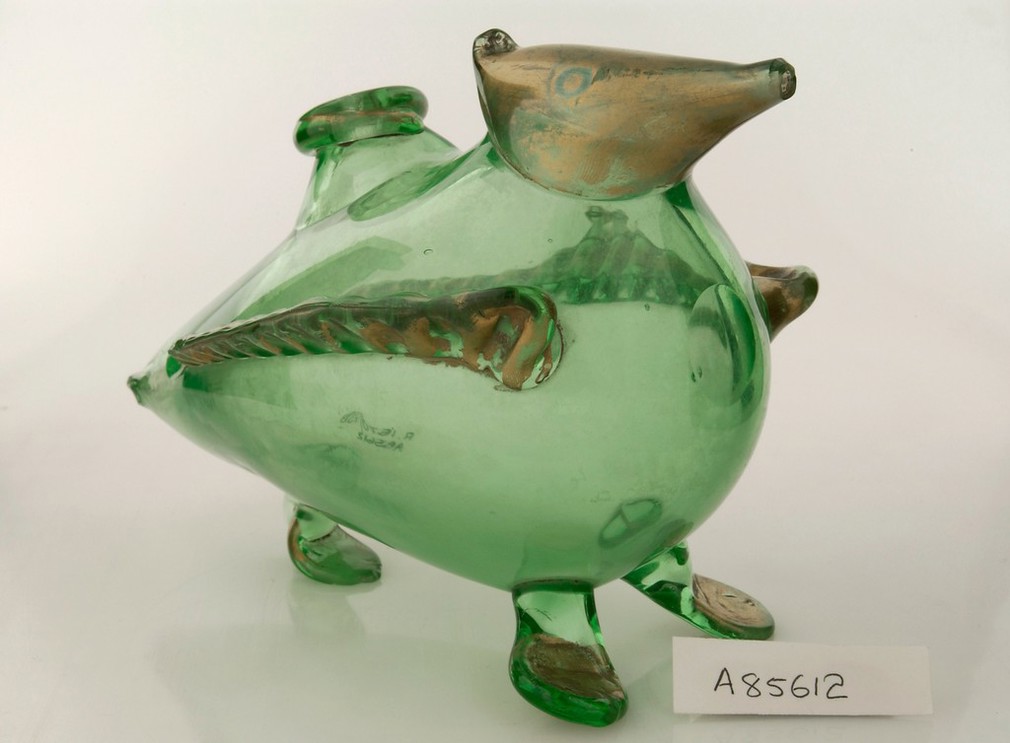 |
| Wellcome Images, date/place unknown. |
- Moms who breastfeed have less post-partum bleeding.
- The danger window for acute maternal varicella is 5 days pre-partum to 2 days post-partum.
- John Szymusiak has a great mnemonic to remember how much weight a baby should gain: 30g per day from 0-3 months, 30g every 2 days from 3-6 months, and 30g every 3 days from 6-12 months.
- Breast milk lasts up to 9 months in the freezer, 4-8 days at the back of the fridge, up to 4 hours at room temperature, but only 2 hours after a baby starts to drink from it.*
- Formula is only good for an hour after it is mixed, regardless of whether the baby has drunk from the bottle. It lasts 24 hours in the fridge.
- Do prescribe vitamin D if a baby drinks <32 ounces of formula. Don't recommend expensive formula if the baby is a "happy spitter" with no red flag symptoms like weight loss.
- Do introduce new foods every couple of days once a baby can hold its head up and has lost the tongue-extrusion reflex (4-6 months). Don't delay the introduction of highly allergenic foods such as peanuts, milk, wheat, or eggs.
- Do prescribe iron supplementation for preemies <34 weeks. Don't let them get osteoporosis or aluminium toxicity from soy formula!
 "The use of infant feeding bottles increased during the 1800s. They sometimes had harmful results. Doctors advised breastfeeding was best for infants. It should be done by the mother if possible, or a wet nurse of ‘good moral character.’ Many babies were fed less beneficial products such as unboiled cow’s milk, sugar water or ‘pap.’ Pap was a mixture of bread or flour, milk and sugar. Bottles were often poorly cleaned and were havens for germs. Dried milk and condensed milk were introduced in the 1860s. However, doctors opposed their use. They claimed the milk caused diarrhoea, indigestion and rickets in babies. This infant feeding bottle is ceramic. Unknown maker. England, United Kingdom." Wellcome Images, CC BY 4.0.
*Speaking of breastfeeding baby backwash, there is some research to suggest that when a baby suckles, some of its saliva with antigens, antibodies, and immune cells or molecules ends up in the mother's body, stimulating her immune system to make IgA and other protective factors that are transmitted back to the baby via breast milk. I saw a post about this on Facebook and was able to find a couple of studies on PubMed, so it's not entirely whackadoodle. I mean, I suppose it makes sense that the IgA a baby gets via breast milk isn't just delivered in one fell swoop at birth only to wane by 6 months but rather is provided continuously and flexibly as the infant grows, gets sick, etc.


Comments
Post a Comment